UPSC CSE 2026 Syllabus.
UPSC CSE 2026 Syllabus: Complete Prelims, Mains and Interview Guide
The UPSC Civil Services Examination syllabus is vast, but understanding its structure is the first and most important step in preparation. The exam is conducted in three stages, and each stage tests a different set of abilities—from breadth of knowledge in Prelims to analytical writing in Mains and personality assessment in the Interview.
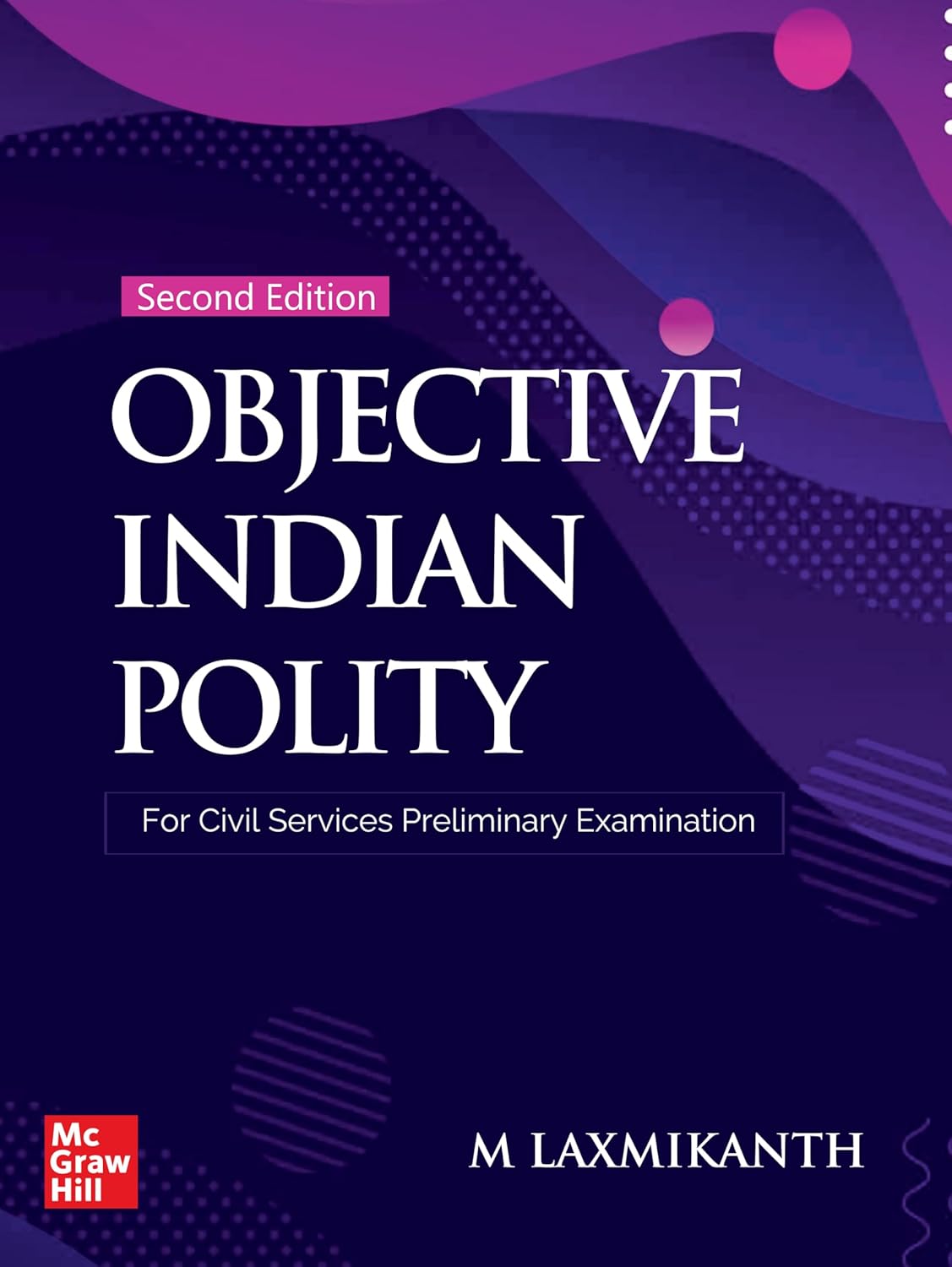
Must-Have Book for UPSC Preparation
This is one of the most important books for UPSC aspirants, especially for building strong fundamentals.
✔ Considered essential by serious UPSC aspirants
- ✔ Helps in concept clarity
- ✔ Useful for Prelims preparation
- ✔ Recommended for beginners
- UPSC CSE has three stages: Prelims, Mains, and Personality Test.
- Prelims includes GS Paper I and CSAT.
- Mains has 9 papers, but only 7 count for merit.
- Optional Subject papers contribute 500 marks in Mains.
- Interview carries 275 marks and tests overall personality, not factual memory alone.
UPSC CSE 2026 Exam Pattern: Quick Overview
The table below gives a complete overview of the exam structure and marks distribution across all three stages.
| Exam Stage | Papers | Type | Total Marks | Purpose / Notes |
|---|---|---|---|---|
| Preliminary | General Studies Paper I | Objective (MCQ) | 200 | Screening test; marks count for cut-off |
| Preliminary | General Studies Paper II (CSAT) | Objective (MCQ) | 200 | Qualifying only; minimum 33% required |
| Main (Written) | Paper-A (Indian Language) | Descriptive | 300 | Qualifying; must score 25% |
| Main (Written) | Paper-B (English) | Descriptive | 300 | Qualifying; must score 25% |
| Main (Written) | Essay | Descriptive | 250 | Counted for final ranking |
| Main (Written) | GS I, II, III, IV | Descriptive | 1000 | Counted for final ranking |
| Main (Written) | Optional Subject Paper I & II | Descriptive | 500 | Counted for final ranking |
| Personality Test | Interview | Face-to-face | 275 | Final stage assessing personality and suitability |
Stage 1: Preliminary Examination (Prelims)
The Prelims is a screening test. It is held in objective format and is designed to eliminate candidates before the Mains stage. It has two papers held on the same day.
Paper I: General Studies (GS)
Marks: 200 | Questions: 100 | Duration: 2 hours
This is the most important paper in Prelims because its score determines whether you qualify for Mains. It covers a broad but identifiable set of themes:
- Current Affairs: Events of national and international importance
- History: History of India and the Indian National Movement
- Geography: Physical, Social and Economic Geography of India and the World
- Indian Polity and Governance: Constitution, Political System, Panchayati Raj, Public Policy, Rights Issues, etc.
- Economic and Social Development: Sustainable Development, Poverty, Inclusion, Demographics, Social Sector Initiatives
- Environmental Ecology: Biodiversity and Climate Change-related general issues
- General Science: Basic concepts and everyday applications
Paper II: Civil Services Aptitude Test (CSAT)
Marks: 200 | Questions: 80 | Duration: 2 hours
CSAT is qualifying in nature. You need at least 33% or 66 marks to clear it. Its marks are not counted in the Prelims cut-off, but failing it means your GS Paper I score will not matter.
- Comprehension
- Interpersonal Skills including Communication Skills
- Logical Reasoning and Analytical Ability
- Decision-Making and Problem-Solving
- General Mental Ability
- Basic Numeracy (Class X level)
- Data Interpretation (Class X level)
Stage 2: Main Examination (Mains)
The Main Examination is descriptive. It evaluates your depth of understanding, analytical ability, expression, and capacity to structure ideas. It has 9 papers, but only 7 count toward final ranking.
Qualifying Papers (Not Counted for Ranking)
Paper-A: Indian Language
You must choose one language from the 8th Schedule of the Constitution. The paper tests basic comprehension, précis writing, and essay ability at around matriculation level.
Paper-B: English
Similar in nature to the Indian Language paper, this tests English comprehension, précis writing, vocabulary, and basic written communication at matriculation level.
Merit-Based Papers (Counted for Final Ranking)
Paper-I: Essay (250 Marks)
This paper tests your ability to think clearly, organize ideas, write with balance, and present arguments in a coherent and mature way.
Paper-II: General Studies I (250 Marks)
Indian Heritage and Culture, History and Geography of the World and Society
- Indian Culture: Art forms, literature and architecture from ancient to modern times
- Modern Indian History: Important events, personalities and issues from the mid-18th century onward
- Freedom Struggle: Stages, contributors and regional dimensions
- Post-independence Consolidation: Reorganization and integration issues
- World History: Industrial Revolution, world wars, colonization, decolonization and political philosophies
- Indian Society: Diversity, role of women, urbanization, globalization and social empowerment
- Geography: Physical geography, resource distribution and geophysical phenomena
Paper-III: General Studies II (250 Marks)
Governance, Constitution, Polity, Social Justice and International Relations
- Indian Constitution: Features, amendments, basic structure and historical evolution
- Functions of the Union and States: Federalism, devolution and related issues
- Parliament and State Legislatures: Structure, functioning and legislative issues
- Government Policies and Interventions: Design, implementation and impact
- Welfare Schemes and Protection of Vulnerable Sections
- Social Sector Issues: Health, Education and Human Resources
- India and its Neighborhood Relations
- International Institutions: UN, WTO and others
Paper-IV: General Studies III (250 Marks)
Technology, Economic Development, Biodiversity, Environment, Security and Disaster Management
- Indian Economy: Growth, development, budgeting and resource mobilization
- Agriculture: Cropping patterns, irrigation, marketing and food processing
- Land Reforms and Liberalization
- Science and Technology: Developments, applications and awareness
- Environment: Conservation, pollution, degradation and EIA
- Disaster Management: Preparedness and response frameworks
- Internal Security: Extremism, cyber security, money laundering and the role of security forces
Paper-V: General Studies IV (250 Marks)
Ethics, Integrity and Aptitude
- Ethics and Human Interface
- Attitude: Content, structure and influence on behavior
- Aptitude for Civil Service and foundational values
- Emotional Intelligence and its application
- Public/Civil Service Values and accountability
- Probity in Governance
- Case Studies based on ethical dilemmas and administrative situations
Papers VI & VII: Optional Subject Papers I & II (250 + 250 = 500 Marks)
You must choose one optional subject from the official list of 48 subjects. The syllabus is usually at an honours graduation level and can significantly influence your final rank.
Stage 3: Personality Test (Interview)
The final stage is the Personality Test, commonly called the UPSC Interview. It carries 275 marks and is not a knowledge quiz. Instead, it evaluates whether you possess the judgement, maturity, balance, mental alertness, communication ability, and overall personality suitable for civil services.
The board looks at your personality in a holistic way, including:
- Mental alertness
- Critical powers of assimilation
- Clear and logical exposition
- Balance of judgement
- Variety and depth of interest
- Ability for social cohesion and leadership
- Intellectual and moral integrity
How to Use the UPSC Syllabus Smartly
A common mistake is to read the syllabus once and then forget it. The better approach is to keep returning to it while studying. Every topic you read should be linked back to a syllabus phrase. This helps you avoid both under-preparation and over-reading.
- Map every book chapter to a syllabus keyword
- Use previous year questions to understand how UPSC interprets syllabus lines
- Revise issue-wise, not just subject-wise
- Keep separate one-page sheets for each GS paper theme
2026 Notification and Prelims Date
The official notification for UPSC CSE 2026 was released on February 4, 2026, and the Preliminary Examination is scheduled for May 24, 2026.
Frequently Asked Questions
How many stages are there in UPSC CSE?
There are three stages: Preliminary Examination, Main Examination, and Personality Test.
Does CSAT count for final ranking?
No. CSAT is only qualifying in nature. You need a minimum of 33% to clear it.
How many papers in Mains are counted for merit?
Seven papers are counted for final ranking: Essay, four GS papers, and two Optional papers.
How many marks does the UPSC Interview carry?
The Personality Test carries 275 marks.
Are language papers in Mains important?
Yes. They are qualifying papers, and if you fail them, your merit papers will not be evaluated for final ranking.