How to Start UPSC Preparation
How to Start UPSC Preparation: A Complete Beginner’s Guide with Real Examples
The UPSC Civil Services Examination is widely regarded as one of India’s toughest and most prestigious competitive exams. Every year, lakhs of aspirants begin the journey, but only a small fraction make the final merit list. That makes one thing very clear: success in UPSC does not come from random hard work. It comes from understanding the exam, building a smart plan, revising consistently, and staying patient over a long preparation cycle.
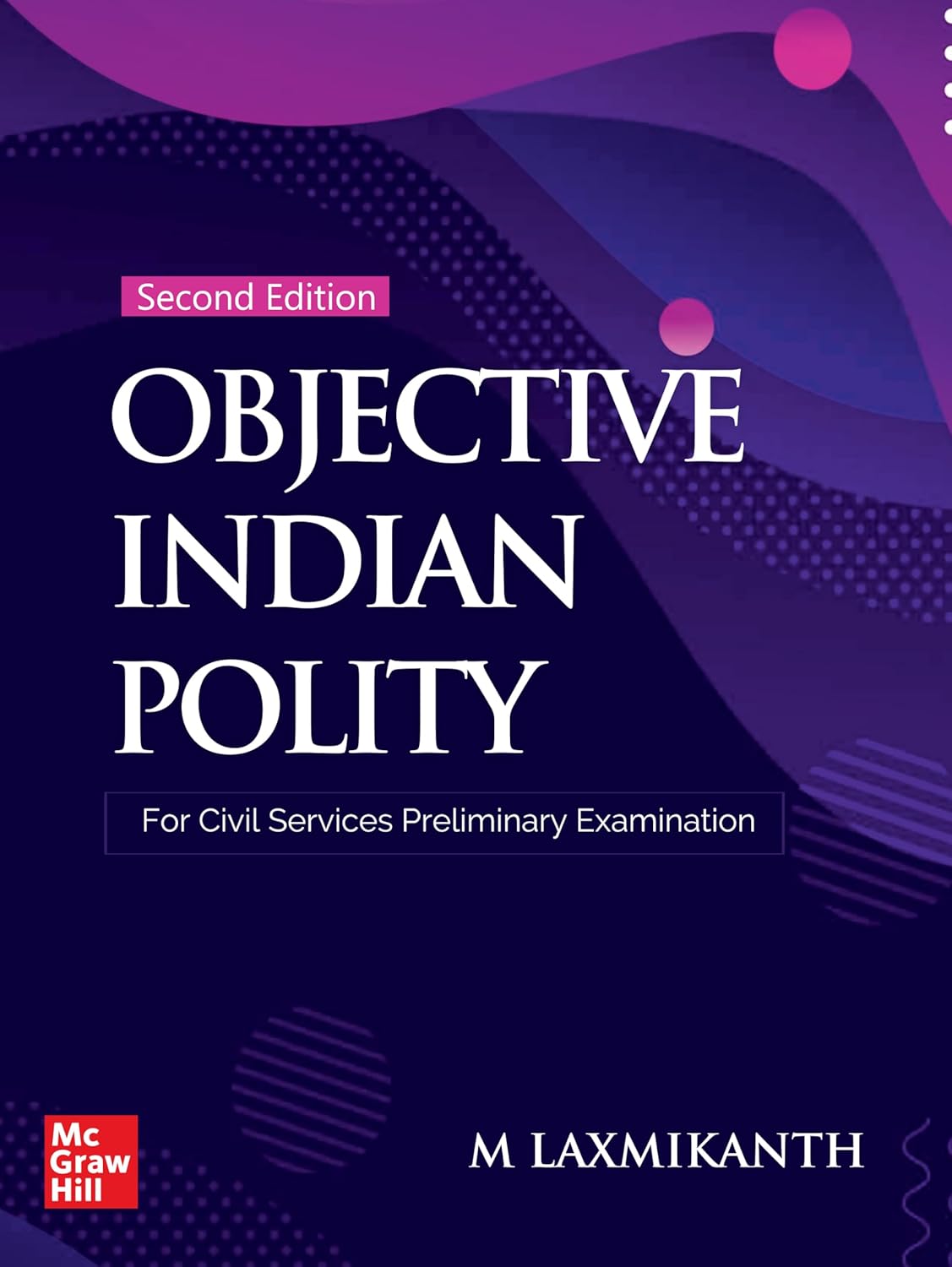
Must-Have Book for UPSC Preparation
This is one of the most important books for UPSC aspirants, especially for building strong fundamentals.
✔ Considered essential by serious UPSC aspirants
- ✔ Helps in concept clarity
- ✔ Useful for Prelims preparation
- ✔ Recommended for beginners
- UPSC has three stages: Prelims, Mains, and Interview.
- Beginners should start by understanding the syllabus and previous year questions.
- A strong foundation in NCERTs and standard books is essential.
- Answer writing and mock analysis are game-changers for Mains and Prelims.
- Self-study can work if paired with discipline, revision, and structured guidance.
Part 1: Understanding the Exam—Your First Step
Before you start reading books or making timetables, you need to understand what UPSC is actually testing. Many aspirants begin with enthusiasm but without clarity. That leads to confusion, resource overload, and wasted time.
The Three-Stage Structure
| Stage | Format | Purpose | Marks |
|---|---|---|---|
| Preliminary Exam | Objective (MCQs) | Screening test | 400 (not counted in final merit) |
| Main Exam | Descriptive (Written) | Tests knowledge, analysis, and writing ability | 1750 |
| Interview / Personality Test | Face-to-face interaction | Assesses personality, judgement, and communication | 275 |
Total Merit Marks: 2025 (Mains + Interview)
Key 2026 Exam Dates
| Event | Date |
|---|---|
| Notification Released | February 4, 2026 |
| Application Deadline | February 24, 2026 |
| Prelims Exam Date | May 24, 2026 |
| Mains Exam Dates | August 21–25, 2026 |
| Total Vacancies | Approximately 933 |
Eligibility Criteria
| Criteria | Requirement |
|---|---|
| Educational Qualification | Graduate degree from a recognized university |
| Age Limit | 21–32 years as of August 1, 2026 |
| Attempts | General: 6, OBC: 9, SC/ST: Unlimited |
| Nationality | Indian citizen for IAS/IPS |
Part 2: The Prelims Exam—Your First Hurdle
Paper I: General Studies
This paper determines whether you qualify for Mains. It has 100 questions, each worth 2 marks, with negative marking for wrong answers. Your score in this paper is what decides your movement to the next stage.
| Subject | Average Questions (Recent Trend) |
|---|---|
| Environment | 15 |
| History | 14 |
| Geography | 14 |
| Economy | 16 |
| Polity | 14 |
| Science & Technology | 13 |
| Current Affairs | 15 |
Paper II: CSAT
CSAT is qualifying, but that does not mean it should be ignored. Every year, many aspirants miss Mains because they underestimate this paper. You need at least 33% in CSAT to qualify.
Understanding the Syllabus: Your Roadmap
The syllabus is not just an official document. It is your preparation map. If you learn how to read it properly, you automatically know what to study, what to avoid, and how to connect subjects.
- History
- Geography
- Indian Polity and Governance
- Economic and Social Development
- Environment and Ecology
- Science and Technology
- Current Affairs
Part 3: Creating Your Preparation Strategy
Phase 1: Understanding Before Action (First 2–3 Months)
The beginning should be about understanding, not speed. This phase should focus on reading the syllabus, watching a few topper strategies with caution, checking previous year questions, and deciding your basic resource list.
Phase 2: Building the Foundation (Days 1–60)
The first two months should build your base in the core subjects.
- Polity: Start with NCERTs, then standard books.
- Economy: Build concepts first, current linkage later.
- History: Focus on timelines and causes behind events.
- Geography: Make map work a daily habit.
A very effective habit at this stage is active recall. Every evening, write down what you understood during the day without looking at your notes. This strengthens memory much more than passive reading.
Phase 3: Deepening and Interlinking (Days 61–120)
Once the basics are clear, the next step is to connect subjects with current affairs and deepen your understanding.
- Link Polity with governance issues in current affairs.
- Link Economy with RBI policy, inflation, and budget issues.
- Link Environment with conventions, laws, and current events.
- Start sectional mock tests.
Phase 4: Testing and Refining (Days 121–180)
This is where preparation must become performance-oriented.
- Take full-length mock tests in exam-like conditions.
- Analyze every wrong answer carefully.
- Focus on accuracy, not just attempts.
- Use the test-analysis-revision cycle repeatedly.
Phase 5: The Final 30 Days
The final month is not for learning entirely new content. It is for precision, controlled revision, and rhythm-building.
- Revise compact notes, maps, and highlighted portions.
- Take tests at the same time as the actual exam.
- Train yourself to skip wisely, not attempt blindly.
Part 4: Resource Selection—The Art of Choosing Wisely
One of the biggest mistakes beginners make is collecting too many books, PDFs, compilations, and videos. UPSC does not reward resource collection. It rewards revision and clarity.
Recommended Starting Resources
| Subject | Primary Resource |
|---|---|
| NCERTs | Classes 6–12 for all major subjects |
| Polity | Indian Polity by M. Laxmikanth |
| Modern History | India’s Struggle for Independence by Bipan Chandra |
| Geography | NCERTs + G.C. Leong |
| Economy | Indian Economy by Ramesh Singh |
| Environment | NCERT Biology + Shankar IAS Environment |
Current Affairs Strategy
Current affairs should not be studied as isolated facts. It should be used to prioritize and enrich your static preparation.
- Daily: Read one newspaper and make short notes.
- Weekly: Convert current issues into broad themes.
- Monthly: Use one good compilation for revision.
Avoid reading multiple newspapers or following too many compilations. One reliable source revised well is more useful than five half-read sources.
Using Technology Smartly
Technology can help, but it should remain a support tool. It can speed up summaries, help compare current affairs sources, and provide quick examples or case studies. But it cannot replace deep reading, thinking, and writing practice.
Part 5: Answer Writing—The Mains Game-Changer
Mains is not just a knowledge test. It is an expression test. You may know the topic, but if you cannot write a good answer within time, the knowledge will not convert into marks.
What Makes a Good Answer?
- A clear introduction
- A structured body
- Logical flow
- Examples and case studies
- Diagrams or maps where relevant
- A concise conclusion
Practice Strategy
- Start answer writing early.
- Use previous year questions.
- Get your answers reviewed where possible.
- Improve structure, not just content volume.
Part 6: Self-Study vs Coaching
Many aspirants believe coaching is necessary. The truth is more balanced. Coaching can provide structure, but self-study with good planning can also work very well.
What matters most is not where you study, but whether you revise regularly, practice seriously, and stay disciplined for a long enough period.
Part 7: The Realistic Timeline—Managing Expectations
A realistic preparation journey often takes time. The first few months are usually spent understanding subjects and building clarity. Meaningful confidence grows over sustained revision, practice, and answer writing.
- First 6–8 months: Subject understanding and base building
- After 1 year: Better clarity and stronger answer writing
- Realistic long-term preparation: Around 2 years for many aspirants
This does not mean everyone needs exactly two years. It means UPSC should be approached with patience, not panic.
Part 8: The Support System—A Critical Factor
UPSC preparation is not only an academic journey. It is also emotional. Family support, a calm study environment, and one or two serious peers can make a huge difference.
Conclusion: Your Journey Begins Now
Starting UPSC preparation can feel overwhelming because the exam is huge, the competition is intense, and the journey is long. But every topper began as a beginner too.
The stories of successful aspirants show a common pattern: they understood the exam first, stayed loyal to limited resources, revised repeatedly, wrote answers consistently, and stayed patient through setbacks.
The 180-day run before Prelims is not about studying blindly. It is about studying with structure, practicing with feedback, and revising with purpose. Start small, but start right.
Frequently Asked Questions
How should a beginner start UPSC preparation?
Start with the syllabus, previous year questions, NCERTs, and a limited set of standard books. Avoid collecting too many resources in the beginning.
Can I prepare for UPSC without coaching?
Yes. Many aspirants and toppers have succeeded through disciplined self-study, standard books, current affairs, and test practice.
How important is CSAT for beginners?
Very important. It is qualifying, but failure in CSAT can end your attempt even if your GS paper is strong.
How many months are needed for UPSC preparation?
It varies, but many serious aspirants take around one to two years to build strong preparation.
What is the biggest mistake beginners make?
The biggest mistake is starting without understanding the exam and using too many resources without revision.